
SEAT AT THE TABLE
A Feature Documentary
SEAT AT THE TABLE
South Asians’ Rise in American Politics
In immersive vérité style, Seat at the Table follows several prominent South Asian political candidates during the 2024 election cycle, alongside a community galvanized by the groundbreaking campaign of the first South Asian presidential candidate. Within a hundred years, South Asians in America have gone from being disenfranchised, to seeing the first South Asian presidential candidate on a major party’s ticket.
With unprecedented access to congressional and state-level campaigns, as well as grassroots organizing efforts, the film captures a historic year for the South Asian diaspora as more candidates than ever run for office, providing us a rare front-row seat to an immigrant community awakening to its power in America.






The Characters
Amish Shah
An ER doctor turned state representative, Amish Shah campaigns to mend the broken healthcare system. Facing relentless attacks from both parties - dubbed a “closet Republican” by Democrats and a “Bernie Sanders progressive” by Republicans - Amish gears up for a showdown against 14-year incumbent, Republican David Schweikert,
Arizona State Representative, 5th District


Nabeela Syed
The youngest Democrat of the Illinois General Assembly, Nabeela Syed’s platform, focused on healthcare access, prescription drug affordability and education is now under fire for her pro-Palestinian stance as she faces a Republican challenger.
Illinois State Representative, 51st District

Ravi Bhalla
Former Hoboken Mayor, New Jersey State Representative, 32nd District
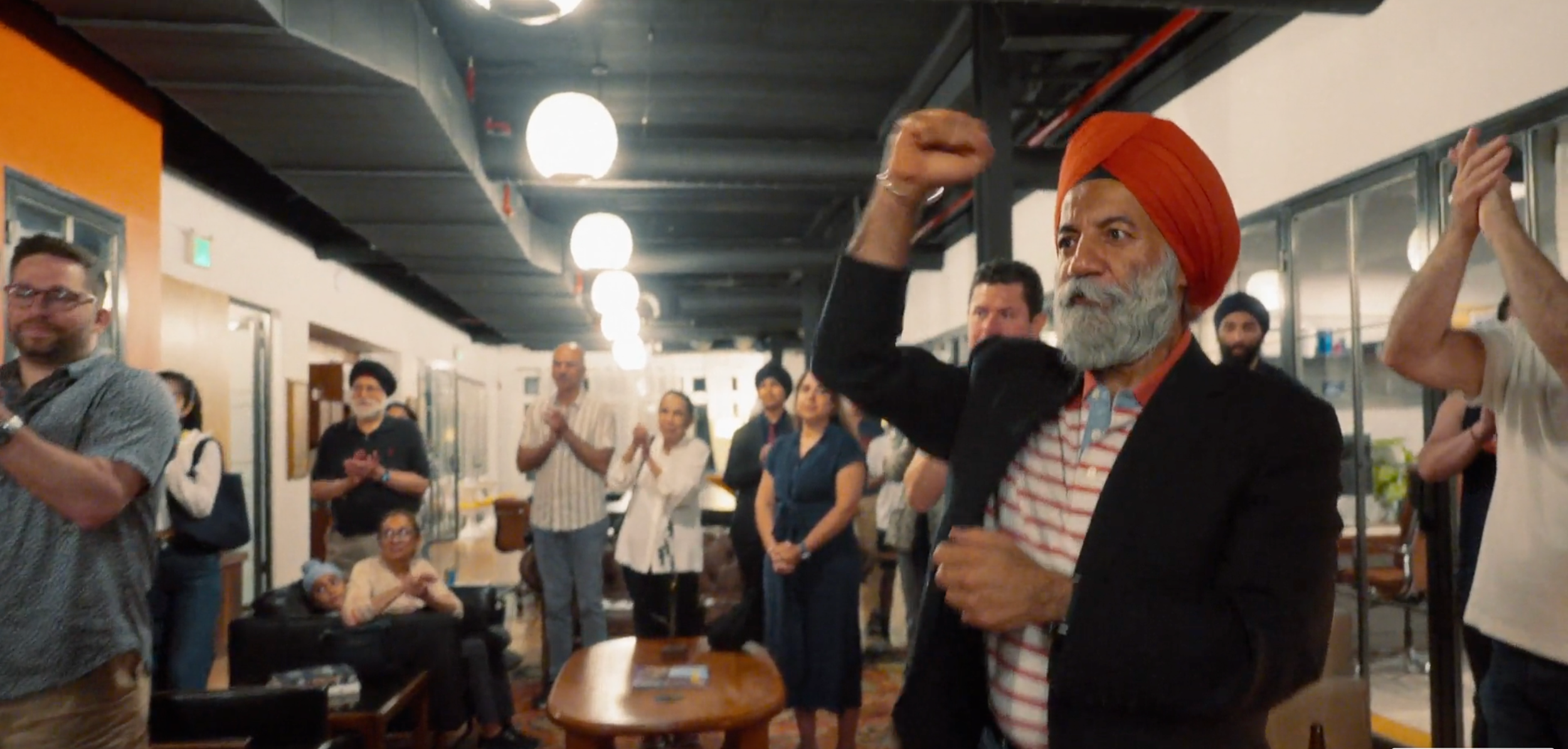
Hoboken Mayor Ravi Bhalla faces his greatest political challenge yet: running to become the first turban-wearing Sikh in U.S. Congress, confronting his opponent, Rob Menendez Jr., son of scandal-plagued Senator Bob Menendez.

Harini Krishnan
Leading South Asians for Harris, Harini Krishnan is a community organizer, attempting to galvanize the vote for presidential contender Kamala Harris, rallying support in battleground states like Michigan, Georgia, Pennsylvania and Arizona.
South Asians for Harris Organizer

Neil Makhija
Montgomery County Commissioner & Chair of the Board of Elections
As County Commissioner, Neil Makhija oversees one of the nation’s largest counties with 865,000 residents. A former election law professor at the University of Pennsylvania Law School, Neil also served as Executive Director of the national civic organization Impact, helping drive historic voter turnout among underrepresented communities during the 2020 election.
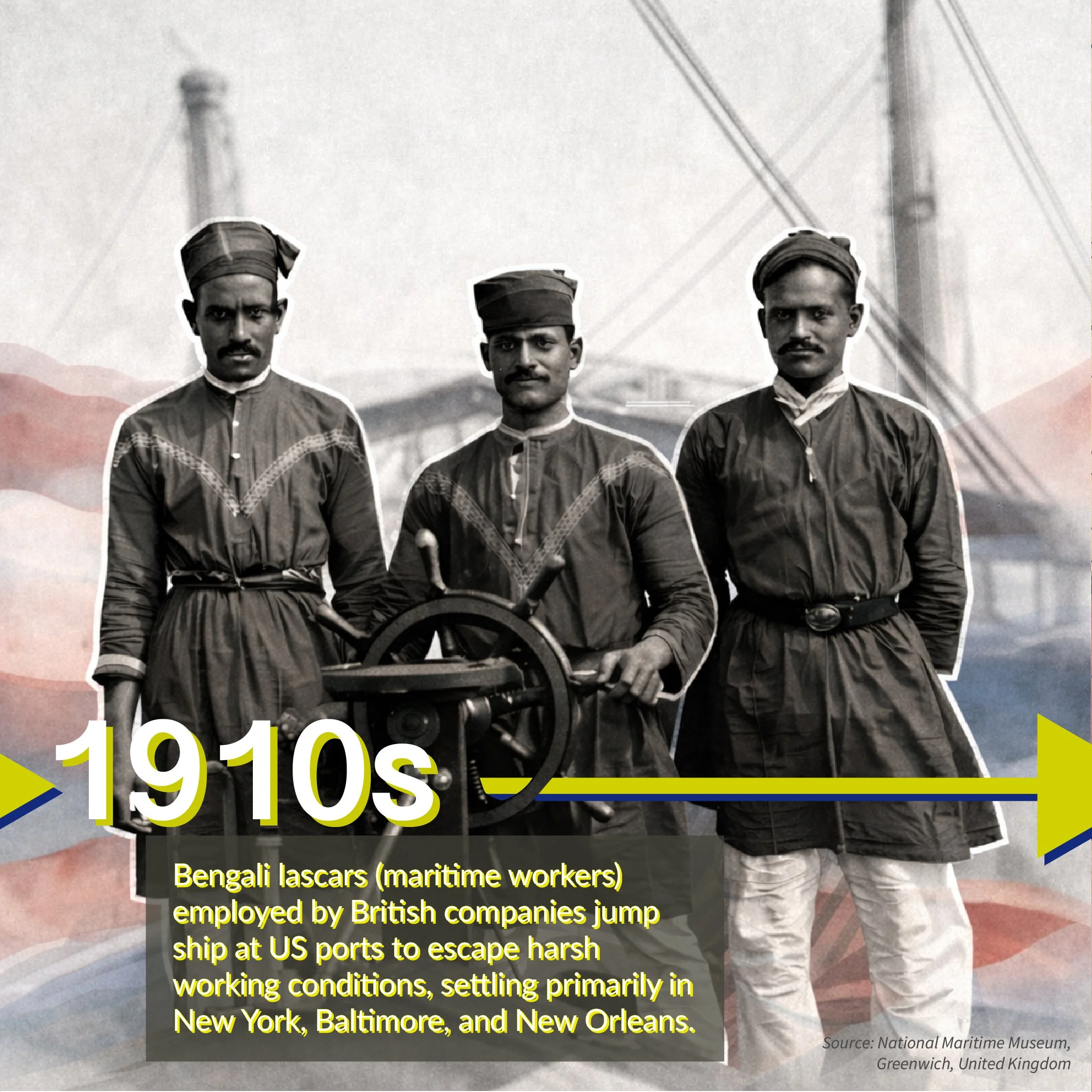
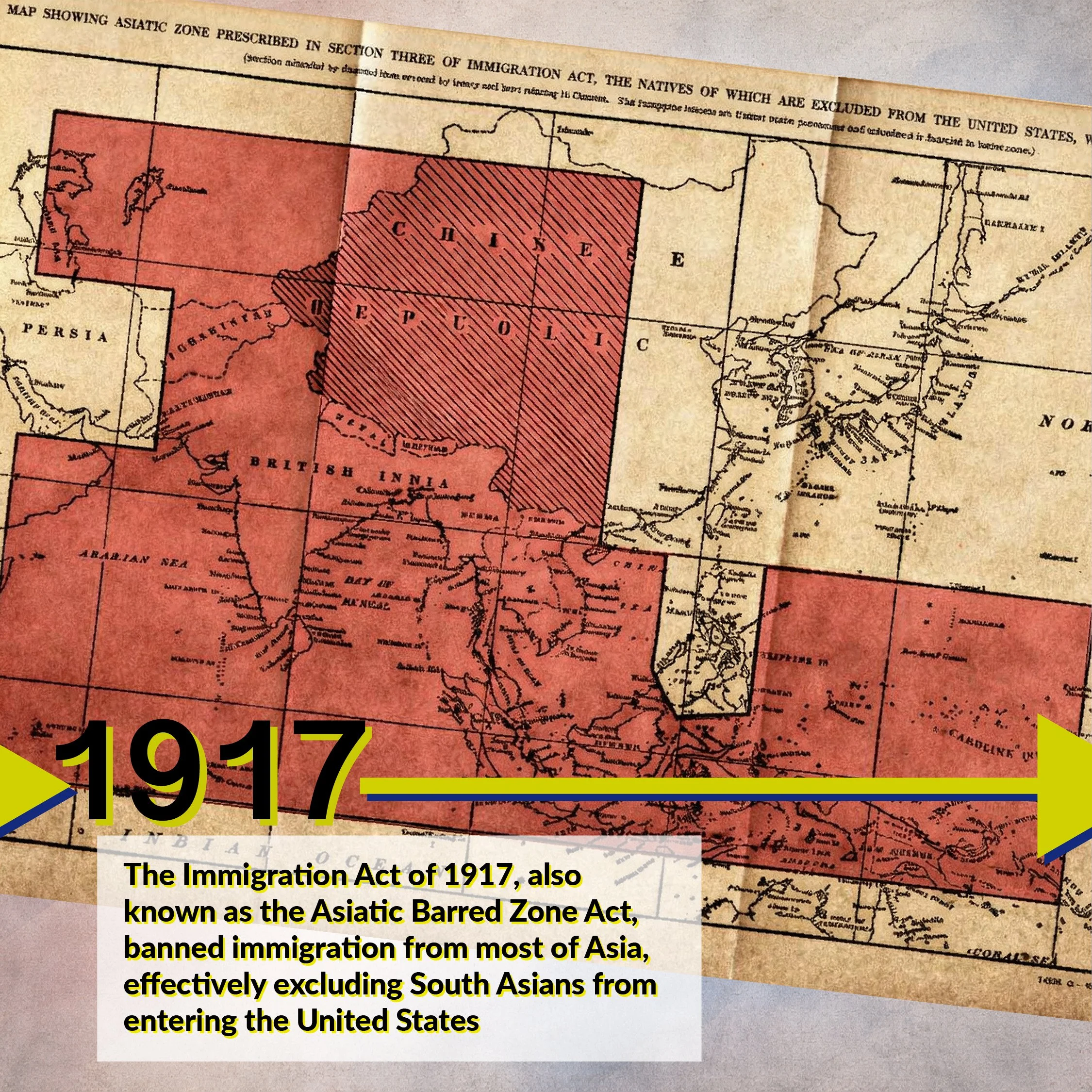
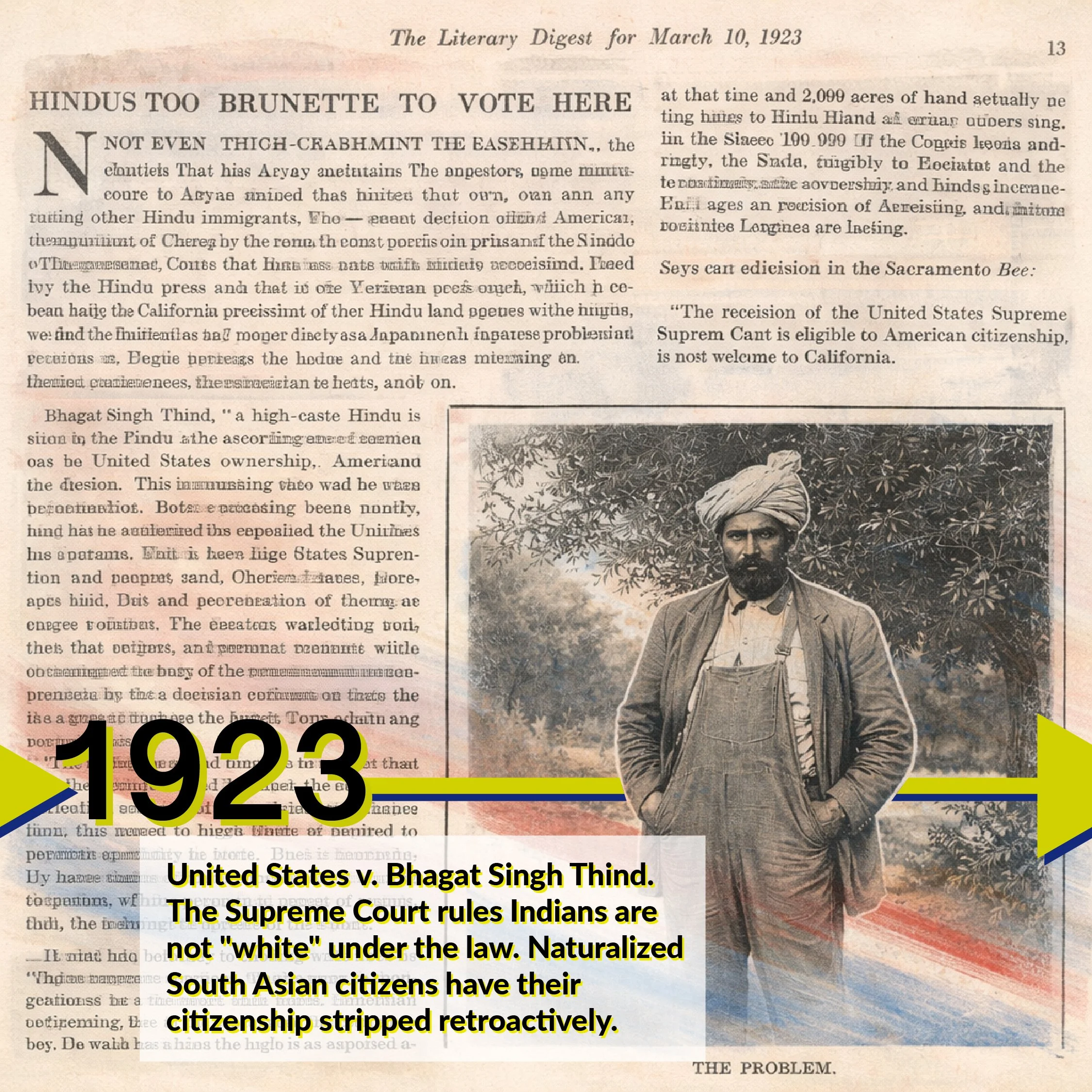
A History
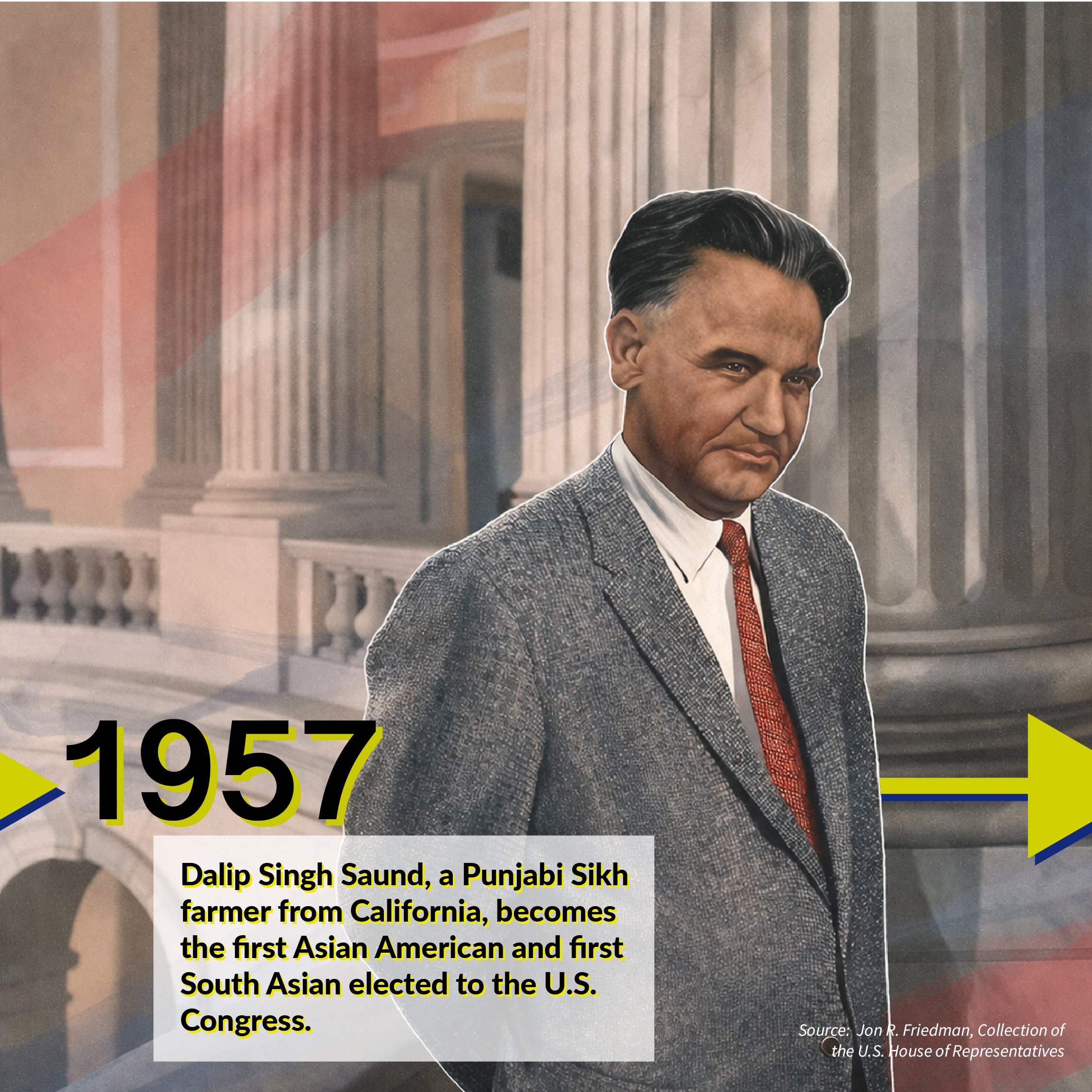
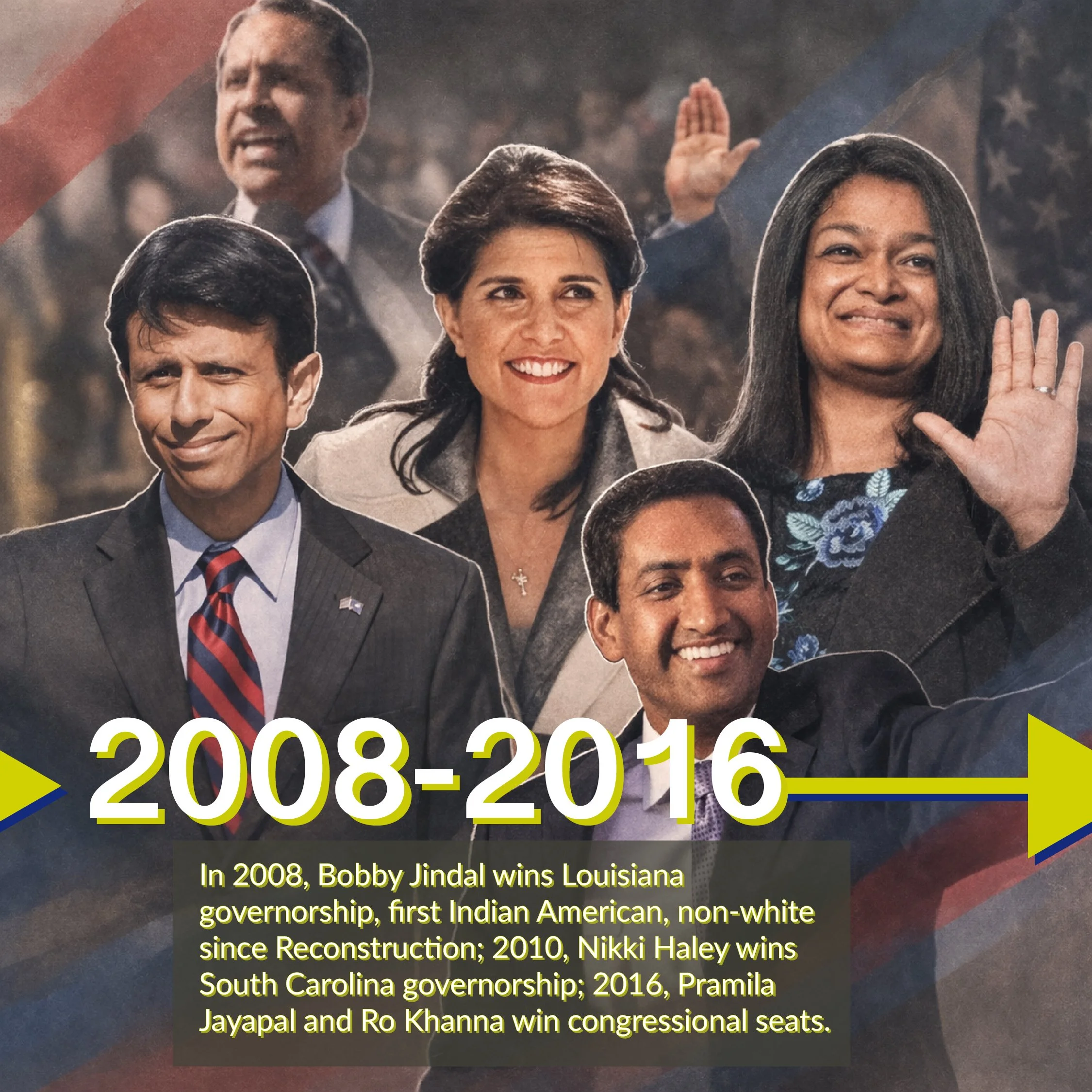
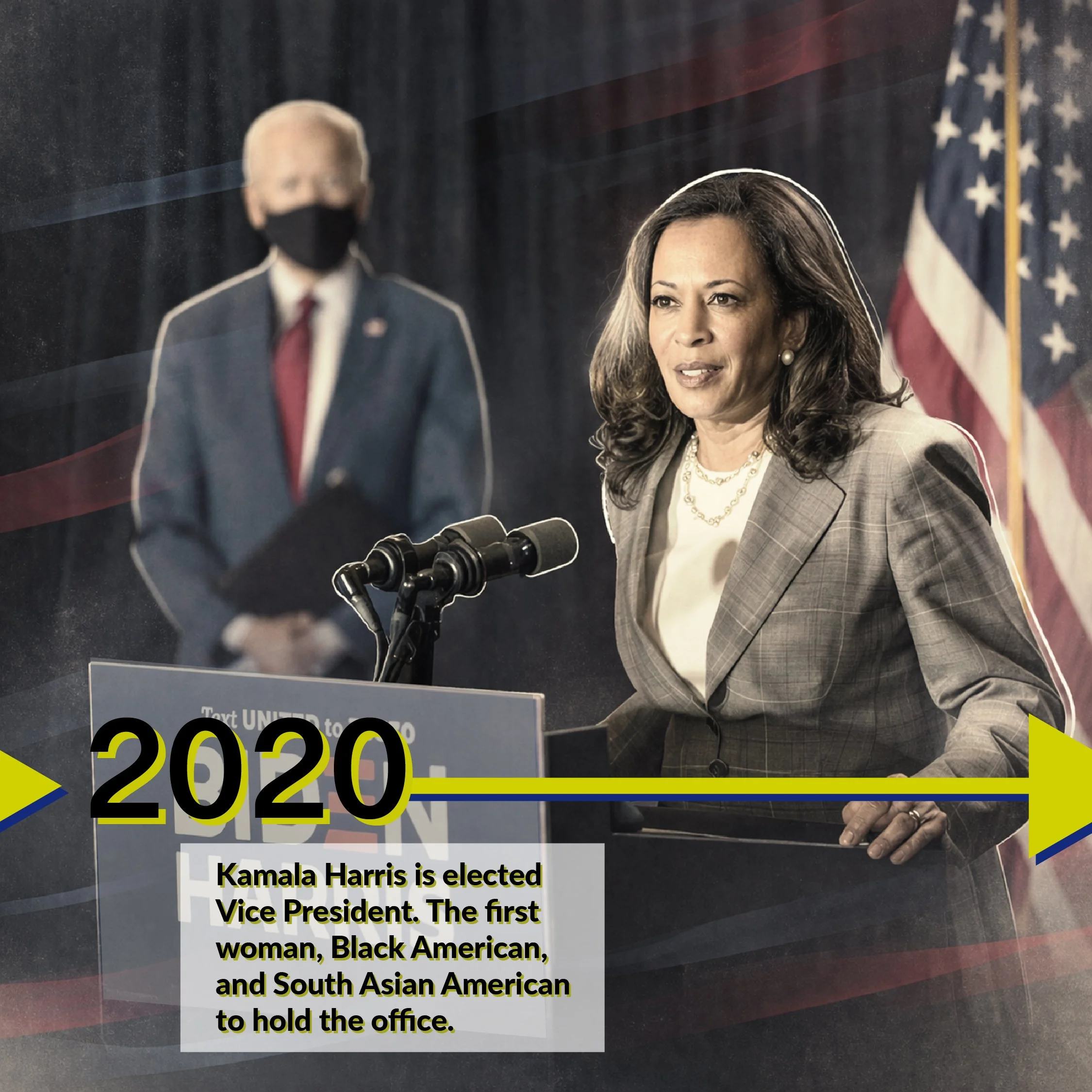
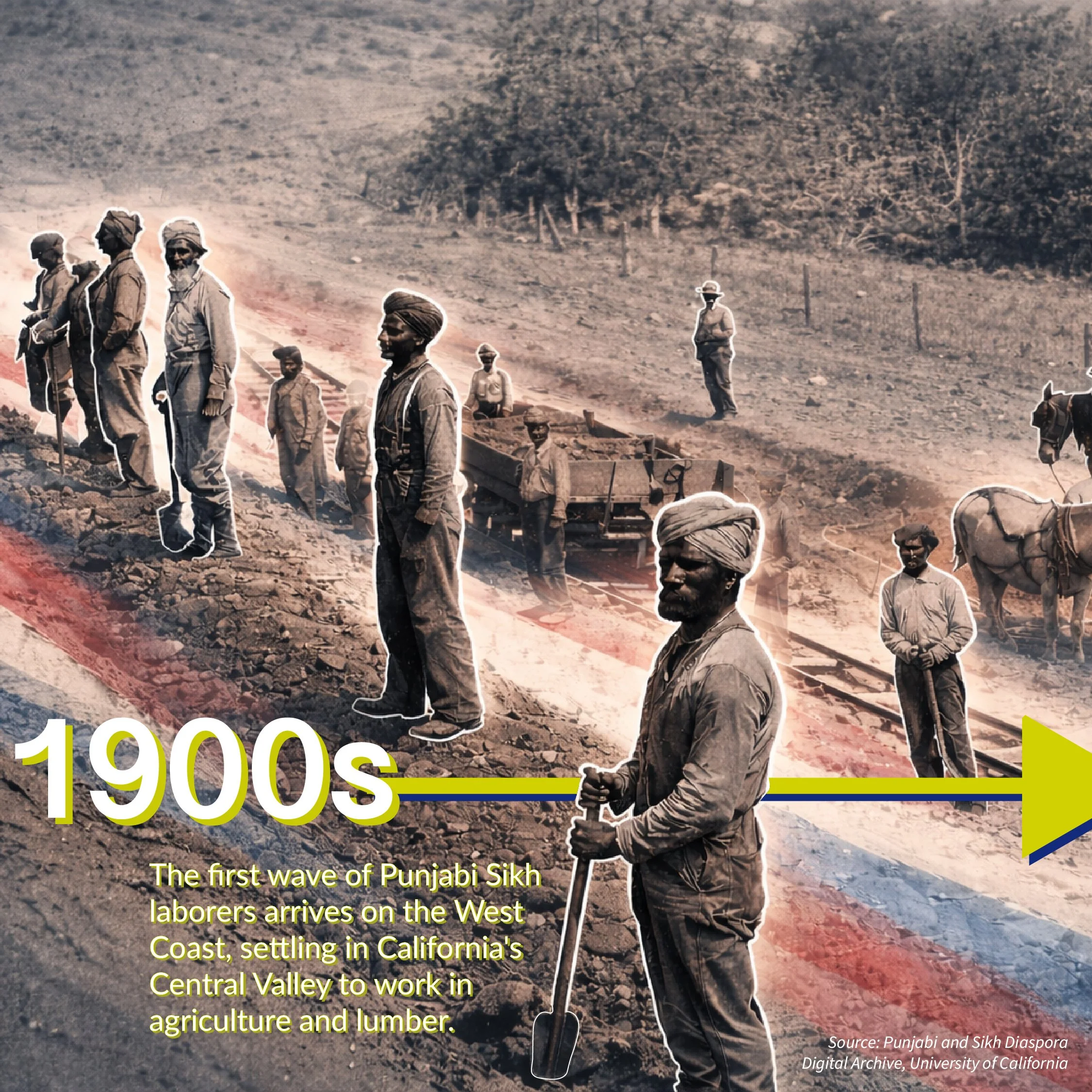
In just over a century, South Asians in the U.S. have moved from exclusion and disenfranchisement to the doorstep of presidency.




Filmmakers’ Statement
What we were witnessing wasn’t just a series of campaigns, it was a community stepping into its political power in America in a way we had never seen before.
When we began filming Seat at the Table, we thought we were making a film about a handful of South Asian candidates running for office. But it quickly became clear that something much bigger was unfolding. This wasn’t simply about individual campaigns — it was about a community finding its political voice and claiming its place in American democracy in real time.
This moment felt deeply personal. Many of us grew up in immigrant households where politics often felt distant — something happening somewhere else, to someone else. Yet suddenly, we were watching people who looked like us, who carried the same names, traditions, and family histories, running for office across the country. It felt like history unfolding before our eyes.


In 2024, that momentum reached an entirely new level as South Asians across the country became galvanized around civic engagement and political participation, culminating in the first South Asian presidential nominee on a major party ticket. Following candidates, organizers, and armies of volunteers across the country, we witnessed both the exhilaration and the vulnerability that come with campaigning.
We made this film to document how South Asian Americans are reshaping American politics in ways that are profound, yet often under-recognized. Over the last several generations, as more South Asian Americans have run for office, organized at the grassroots level, and participated in the democratic process, the community has gained increasing visibility and representation at every level of government. Seat at the Table introduces audiences to the culture, values, and spirit driving this movement — and highlights the growing role this community is playing in the civic life of the nation.
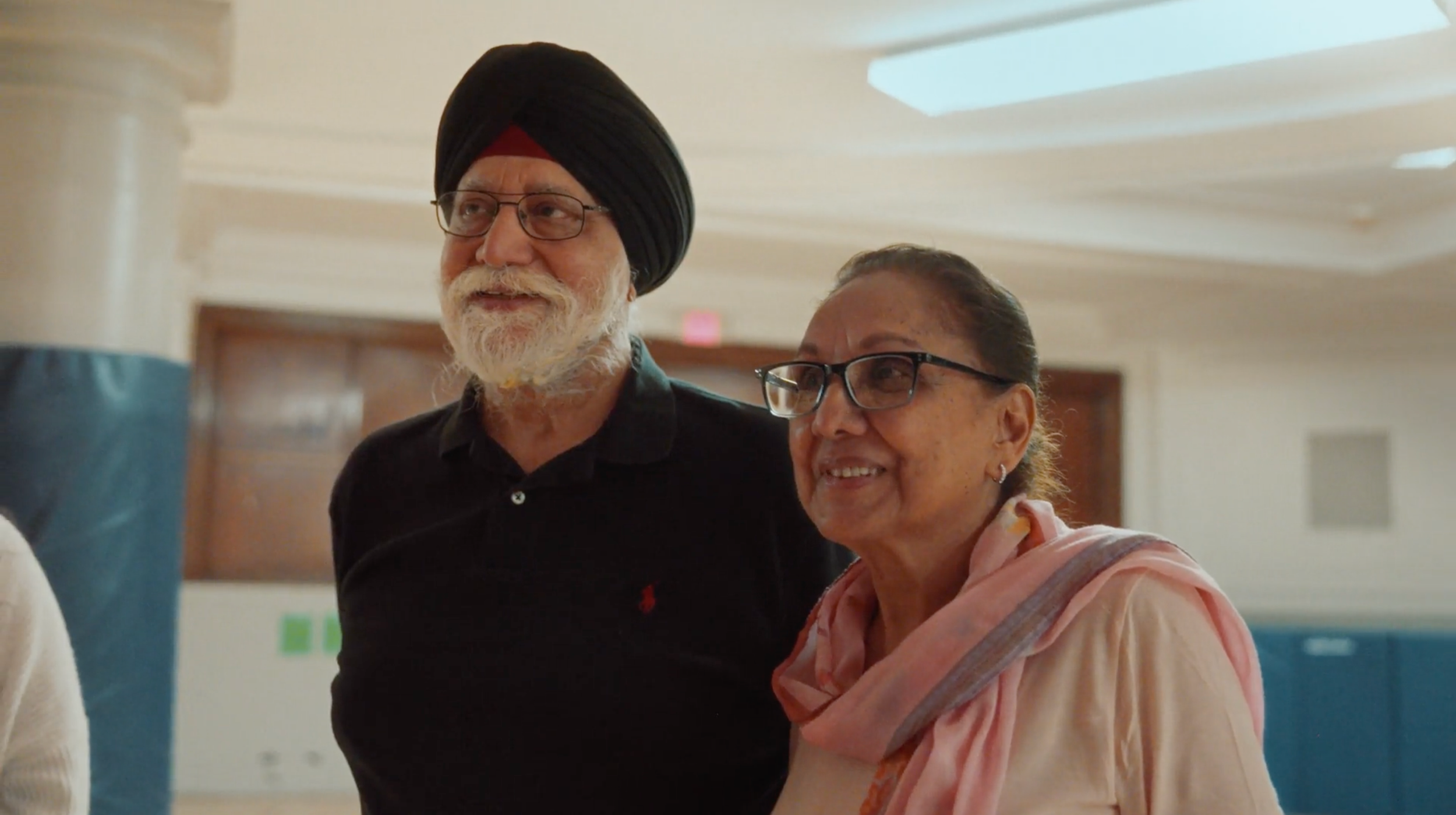

At a time when civic participation can feel fragile, these stories remind us that democracy is constantly renewed by new voices.
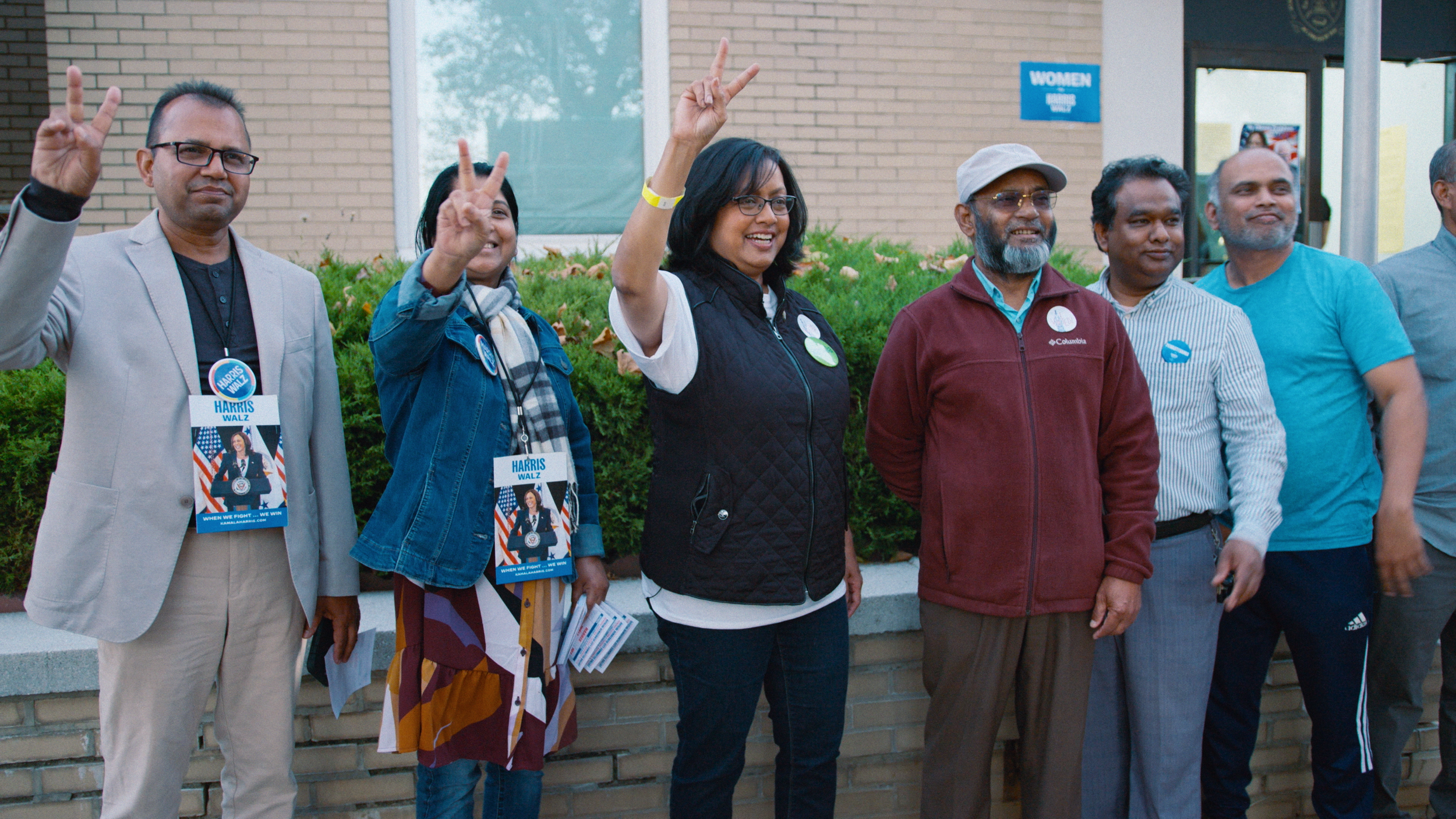
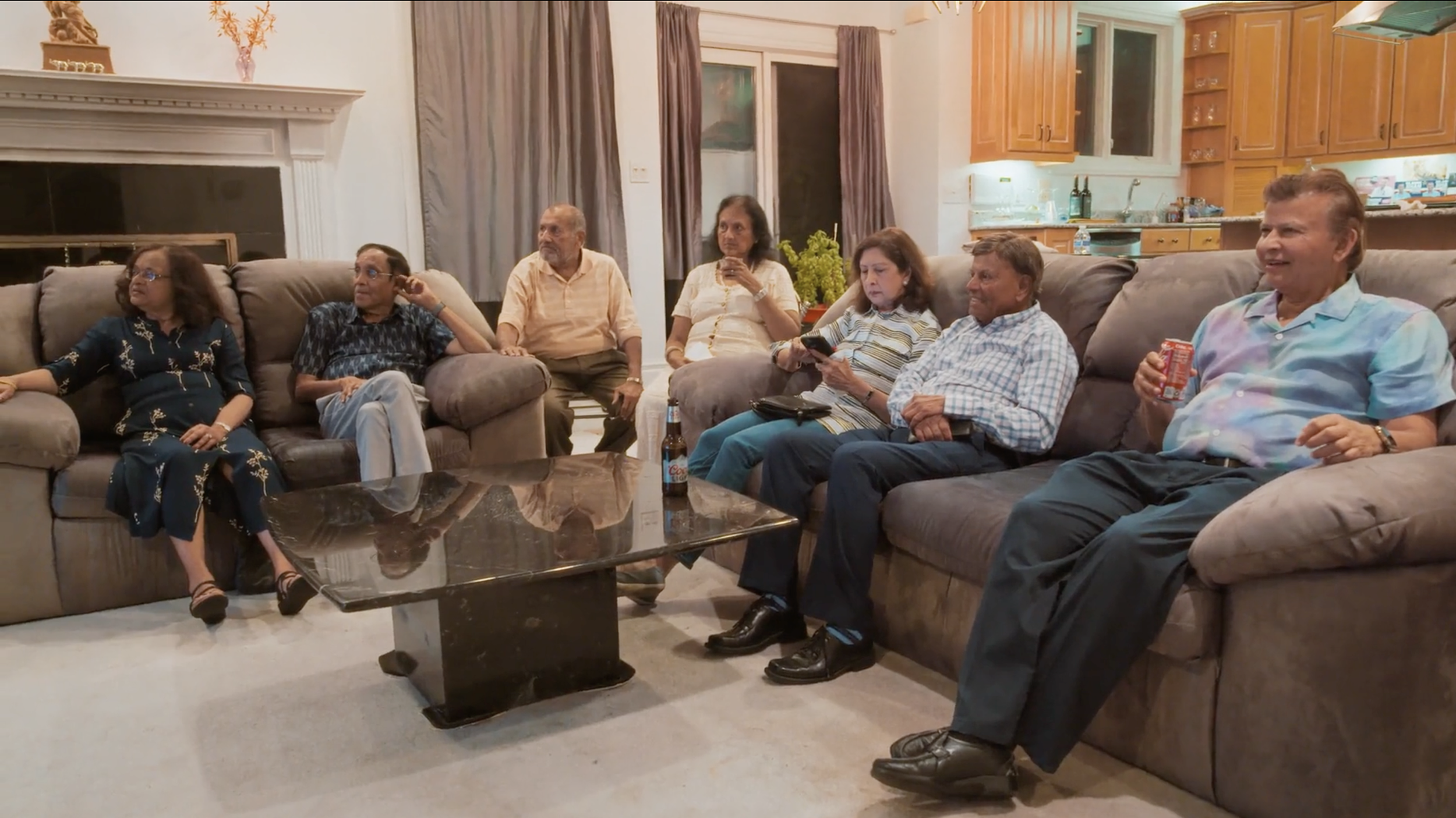
That is the story we felt compelled to tell — a story about belonging in America: who gets seen, who gets heard, and ultimately, who gets invited to have a seat at the table.